
Herbal medicine has been a trusted remedy for centuries, providing natural solutions to treat and prevent a wide range of health conditions. Rooted in ancient traditions, this form of treatment uses plants and plant-based products to support healing, alleviate symptoms, and improve wellness. Whether you’re addressing minor ailments or more complex health concerns, herbal remedies offer an effective and holistic approach to health.
In this article, we will explore the uses of herbal medicine, its many benefits, and examples of popular products. Understanding these will help you make informed choices about incorporating these natural remedies into your daily routine to boost your overall well-being.
What is Herbal Medicine?
Herbal medicine is a branch of alternative medicine that involves the use of plants or plant extracts for medicinal purposes. This practice utilizes various parts of plants, such as leaves, roots, flowers, and seeds, to address a wide range of health conditions. These remedies are often seen as a gentler alternative to pharmaceutical treatments.
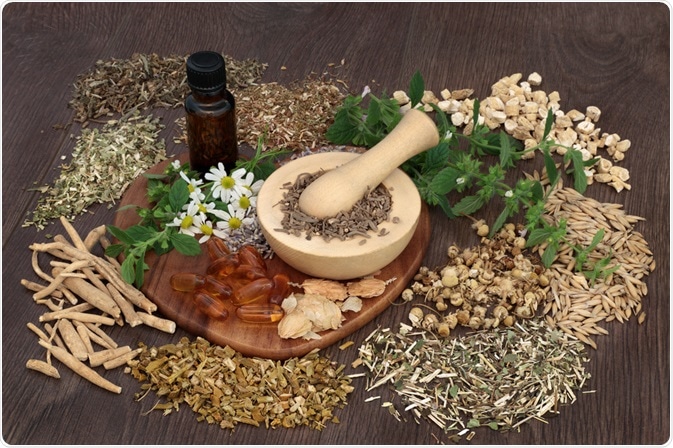
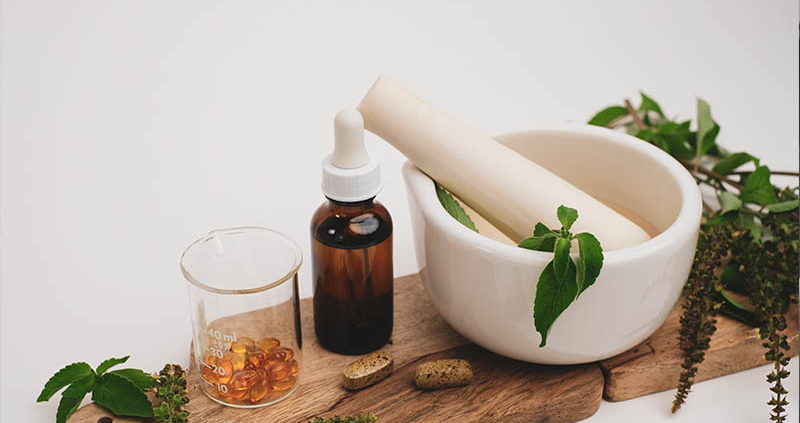
Herbal medicine can take many forms, such as teas, capsules, tinctures, essential oils, and topical ointments. The primary goal is to restore balance and promote healing in the body through the medicinal properties of plants.
Uses of Herbal Medicine: How It Works
Herbal remedies are versatile and can be applied to treat a variety of physical, emotional, and mental health concerns. The healing properties of plants come from their active compounds, such as alkaloids, flavonoids, and essential oils, which interact with the body in various ways. These compounds help regulate body functions, reduce inflammation, fight infections, and promote overall health.
1. Pain Relief
Herbal medicine is commonly used for pain management, especially for conditions like chronic arthritis, back pain, and headaches. Many plants contain compounds that can reduce inflammation and relieve pain. For instance, willow bark is known for its aspirin-like qualities and is frequently used to alleviate mild pain and reduce fever.
2. Digestive Health
Herbal remedies are often used to promote digestive health. For example, peppermint is widely recognized for its ability to soothe indigestion, bloating, and nausea. Ginger is another herb commonly used to alleviate nausea and support healthy digestion.
3. Stress and Anxiety Relief
Certain herbs, such as lavender and chamomile, are known for their calming effects. These herbs are commonly used to reduce anxiety, promote relaxation, and improve sleep quality. Many people choose herbal medicine to manage stress and improve emotional health.
4. Immune System Support
Herbal medicine has a long history of supporting immune function. Echinacea, for example, is frequently used to strengthen the immune system and help the body fight off infections such as the common cold. Astragalus is another herb known for its immune-boosting effects.
5. Skin Health
Herbs like aloe vera and calendula are often applied topically to treat skin conditions like cuts, burns, and eczema. These herbs have anti-inflammatory and healing properties that help promote skin health and accelerate the recovery process.
Benefits of Herbal Medicine: Why Choose Natural Remedies?
Herbal medicine offers many benefits beyond simply addressing individual health problems. Here are some key advantages of using herbal remedies:
1. Fewer Side Effects
One of the major advantages of herbal medicine over conventional drugs is that it generally has fewer side effects. Pharmaceuticals can often cause unwanted reactions like digestive issues, headaches, or allergic responses. In contrast, herbal remedies tend to have fewer adverse effects, especially when used properly and in moderation.
2. Holistic Healing
Herbal medicine often follows a holistic approach, addressing the root causes of health concerns rather than just alleviating symptoms. Herbal remedies are designed to support the body’s natural healing processes, promoting overall health and wellness.
3. Affordable and Accessible
Herbal remedies can be more affordable and accessible than many pharmaceutical treatments. Many herbs can be grown at home, and the cost of herbal products is often lower than prescription medications. Furthermore, herbs are widely available at health food stores and online, making them accessible to most people.
4. Natural Ingredients
Herbal medicine relies on natural plant-based ingredients, which many individuals prefer over synthetic chemicals found in pharmaceuticals. These natural remedies are seen as a more sustainable and gentle option for treating a wide range of health conditions.
5. Preventative Health
Herbal medicine is not just for treating existing conditions—it is also used to prevent future illnesses. Many herbs help to strengthen the body’s defenses, improve vitality, and support long-term health. For instance, turmeric and ginger have powerful anti-inflammatory effects that can help prevent chronic diseases like heart disease and arthritis.
Herbal Medicine Products: A Range of Natural Solutions
There are many herbal medicine products available today to address various health needs. These products come in different forms, such as teas, capsules, powders, and topical treatments. Below are some popular herbal medicine products:
1. Herbal Teas
Herbal teas are one of the most popular forms of herbal medicine. Teas made from herbs like chamomile, peppermint, and ginger are known for their calming and therapeutic properties. Drinking herbal tea is an enjoyable way to support your health naturally.
2. Essential Oils
Essential oils, derived from herbs like lavender, peppermint, and eucalyptus, are commonly used in aromatherapy and for topical applications. These oils are valued for their calming, pain-relieving, and antimicrobial properties.
3. Herbal Capsules and Tinctures
Herbal capsules and tinctures are concentrated forms of herbal medicine. These products are used to address specific health issues, such as digestive concerns, joint pain, or immune support. Echinacea, ginseng, and garlic are some examples of herbs commonly found in capsule or tincture form.
4. Topical Herbals
Topical products like creams, ointments, and balms are commonly used to treat skin conditions such as burns, cuts, and insect bites. Aloe vera, calendula, and arnica are popular herbs used in these products due to their soothing and healing properties.
Herbal Medicine Example: Popular Herbs and Their Uses
Here are some examples of widely used herbs and their therapeutic benefits:
1. Echinacea
Echinacea is a well-known herb for its immune-boosting properties. It is often used to prevent colds, flu, and respiratory infections. Echinacea can be taken as a tea, tincture, or in capsule form.
2. Ginger
Ginger is a versatile herb that is commonly used to relieve nausea, improve digestion, and reduce inflammation. It can be consumed in teas, supplements, or topical creams for its soothing effects.
3. Lavender
Lavender is widely recognized for its calming effects. It is commonly used to treat anxiety, stress, and insomnia. Lavender can be applied as an essential oil for relaxation or used topically to relieve tension.
4. Turmeric
Turmeric is a powerful anti-inflammatory herb, often used to reduce pain and inflammation associated with conditions like arthritis. It is typically consumed as a spice or in supplement form.
5. Peppermint
Peppermint is commonly used to address digestive issues like bloating, indigestion, and nausea. It can be consumed as a tea, oil, or in supplement form.
Conclusion: Embracing Herbal Medicine for Wellness
Herbal medicine offers a natural and effective way to support your health and wellness. Whether you are seeking remedies for pain, digestive issues, or stress, herbal medicine provides a holistic approach to healing that is gentle on the body and mind. From herbal medicine uses to a variety of herbal medicine products, there are many ways to incorporate these natural remedies into your lifestyle.
By understanding the benefits of herbal medicine, using the right herbal medicine products, and exploring common herbal medicine examples, you can create a healthier, more balanced life through the power of plants. Always consult with a healthcare provider before starting any herbal treatments to ensure they are safe and appropriate for your needs.